A garage door is among the largest moving components in any kind of structure, and in several homes it is also one of the largest uninsulated surfaces. That matters more than most individuals realize. A badly chosen or severely set up door can transform the garage into a warm sink in winter season, a stove in summer, and a consistent resource of drafts that slip right into surrounding spaces. In attached garages, that power loss commonly shows up first in the bedroom over the garage, the mudroom wall surface, or the cooking area floor that constantly feels cold.
Good energy efficiency starts long before the first panel is hung. It begins with the opening itself, the climate, exactly how the garage is utilized, and the method the door will seal and operate day in day out. I have actually seen homeowners invest extra on premium insulation, after that shed the benefit through careless perimeter sealing or a misaligned track that leaves daytime at the edges. I have additionally seen decently priced doors carry out remarkably well due to the fact that the installation took care and the item matched the space.
If your goal is much better performance, contemporary garage door installment is worthy of a more thoughtful technique than merely changing what existed before.
Why the garage door has such a large effect on power use
Most exterior wall surfaces in a home are shielded, wrapped, and finished with numerous layers that withstand heat transfer and air leakage. A garage door is different. It opens and shuts several times a day, bends under wind stress, and depends upon weatherstripping to develop a seal. Even high-quality designs have extra joints and moving areas than a common wall.
The difference comes to be evident in connected garages. If the garage shares wall surfaces or ceilings with living space, the door affects comfort in those rooms. In cooler environments, warm interior air moves toward cooler surfaces. In hot climates, solar gain can build quickly inside a garage, particularly on west-facing doors. I as soon as evaluated a two-car garage in late July where the metal door panels were warm sufficient to radiate noticeable warmth a number of feet into the area. The proprietor had included a more recent HVAC system inside the home and still could not recognize why the area above the garage remained cozy during the night. The answer was not the air conditioning system. It was the door.
Detached garages have a different collection of concerns. There, efficiency is much less concerning conditioning adjacent home and even more concerning safeguarding devices, saved products, cars, and any workshop equipment inside. If the garage functions as a workspace, convenience and energy utilize issue equally as long as they do inside the house.
Start with the best door building, not simply the right look
The market uses a lot more selections than ever, and that is an advantage if you know what to contrast. Steel continues to be one of the most common product for energy-efficient domestic garage door installment since it stabilizes sturdiness, expense, and insulation options. A basic non-insulated steel door may suffice for an unconditioned removed garage in a mild environment, however it is hardly ever the best option for a connected garage.
Modern protected steel doors usually are available in either broad buildings. Some have a layer of inflexible insulation placed between steel skins. Others make use of foamed-in-place polyurethane that loads the cavity more completely and often tends to add tightness. In genuine tasks, the polyurethane-filled doors frequently feel much more substantial, rattle less, and normally seal more firmly because the panels bend less throughout movement. They additionally have a tendency to cost even more, which is a reasonable trade in many homes however not every project.
Wood has visual appeal and can carry out reasonably well when crafted effectively, however it demands extra upkeep and can be less secure in damp or damp atmospheres. Aluminum and glass doors fit some modern layouts, though they typically require mindful glazing selections if power effectiveness is a concern. Full-view garage door repair glass doors can be exceptional in a display room or some industrial applications, yet in a regular home they typically trade thermal performance for aesthetics unless the glass system is constructed to a high standard.
Insulation worths are worthy of a useful analysis. Marketed R-values can differ depending on exactly how they are determined, and the full mounted efficiency of a door depends on panel joints, border seals, and fit. A door with a slightly reduced ranked insulation worth however far better real-world securing may outshine a thicker door that was set up poorly.
The installation information that make a decision whether insulation actually works
Garage door installment is not practically placing hardware and getting smooth travel. Effectiveness stays in the information. The rough opening has to be true enough that the door can compress weather seals consistently. The jambs must be solid, square, and without damage. If the framing is out of plumb, the installer can compensate somewhat, but there is a limitation. A door that binds on one side and floats on the other will certainly never secure evenly.
The bottom seal deserves unique attention. Garage floorings are typically not completely degree, especially in older homes where settling has actually taken place or where the slab was pitched boldy toward the driveway. A basic bottom astragal may leave gaps at the corners. In those situations, a modern-day installment may benefit from a larger or even more adaptable bottom seal, or from small limit job if water invasion is likewise a problem. This is one of those details property owners normally notice only after the first chilly early morning or wind-driven rain.
Side and leading weatherstripping also issue. Plastic and rubber parts vary in quality, and the cheapest versions obtain rigid, split, or warp faster. Good boundary seals need to make constant contact without dragging so hard that the door pressures against them. That balance is important because overcompressed seals can make the opener job harder and reduce component life.
Track placement, springtime calibration, and roller high quality impact effectiveness in indirect ways. An appropriately well balanced door shuts better and with much less stress. A noisy, jerky door usually indicates rubbing or imbalance, which can impact just how the panels seat against one another. This is additionally where future Garage door repair expenses begin to materialize. A neat installation does not just conserve energy, it decreases wear.
Insulated doors are only half the story if the garage itself leakages air
Some garages shed more energy with the surrounding structure than via the door panels. If the wall in between the garage and home has spaces around wiring, plumbing infiltrations, or attic room access factors, conditioned air can leak despite how excellent the door is. The very same applies to badly sealed side access doors, old windows, and revealed framing.
This is why I frequently suggest checking out the garage as an envelope, not a solitary product. A homeowner may purchase a protected door and a clever Garage door opener, then miss out on the noticeable problem of an unsealed attic room hatch above the garage. The outcome is dissatisfaction, not since the new door fell short, but since the system around it was ignored.
In retrofits, it is worth checking whether the garage ceiling under living area is shielded appropriately, whether ductwork goes through the garage, and whether there are substantial air leakages at the common wall. A garage door upgrade works best when those relevant concerns are dealt with at the same time.
Smart opener selections can decrease waste and enhance reliability
The opener is not normally the initial part people associate with power effectiveness, yet contemporary systems can add greater than expected. More recent models often have tighter standby power usage than older units, far better travel change, and integrated features that aid the door close fully and consistently.
Belt-drive openers are quieter, which matters in attached garages, particularly when bed rooms rest above. Quieter procedure is not directly a power issue, however it enhances livability sufficient that homeowners are more likely to use the garage as planned as opposed to avoiding very early or late procedure. Much more notably, a high quality Garage door opener with accurate force and traveling settings helps the door seal appropriately at the floor and header.
Battery backup can also be rewarding in regions with frequent blackouts. Throughout a winter months tornado or summer warmth event, having the ability to operate the door securely without leaving it partly open is a useful benefit. Some wise openers let you verify from another location that the door is closed. That function may seem like an ease upgrade, but it additionally prevents hours of unneeded warm loss when somebody neglects to close the door.
For business buildings, opener and driver option becomes much more technical. Duty cycle, opening up rate, security gadgets, and combination with facility regulates all influence efficiency. In commercial garage door repair, I frequently discover that repetitive solution calls trace back to a driver that was undersized for the door or selected regardless actual usage patterns.
Glazing, color, and positioning make a genuine difference
Not every performance decision is concealed inside the door. Exterior color and window positioning can noticeably affect heat gain. Dark doors on sun-exposed elevations take in more warm, particularly in summertime. In cool north environments, that might not be completely adverse, yet it normally boosts panel temperature swings and can add warmth to the garage at the wrong time of day. Lighter shades reflect even more sunlight and normally run cooler.
Windows are a design attribute many homeowners want, and there is absolutely nothing wrong with that said if they are selected intelligently. The best installations use shielded glazing and place home windows where they admit valuable daylight without turning the garage right into a greenhouse. If personal privacy matters, high window placement often works well. In a workshop garage, daylight can reduce the requirement for electrical lights throughout the day, which is a little yet worthwhile efficiency gain.
Orientation issues also. A west-facing garage door in a warm climate loses from mid-day sun. That is an excellent prospect for a well-insulated door, reflective exterior surface, and cautious climate sealing. A shaded north-facing door in a cool climate might position even more emphasis on air leak control than solar gain.
Sealing the opening effectively is where knowledgeable installers make their money
There is a reason the very same brand and design door can carry out really in different ways from one residence to the next. Installation top quality is the separator. The very best crews spend time checking discloses, determining diagonals, readjusting springtime stress correctly, and screening seal get in touch with all the way around the boundary. They do not just obtain the door up. They tune it.
Here are a couple of signs of a well-executed setup:
The door sits equally at the flooring with no noticeable edge voids when totally closed. The panels straighten cleanly, and the leading area seals without bowing away at the header. The door can be raised by hand with regulated initiative and remains balanced through travel. The opener shuts the door firmly without slamming or reversing unnecessarily. The weatherstripping calls the door constantly yet does not distort or drag excessively.Those basics appear easy, yet they are where many energy problems begin. House owners usually require domestic garage door repair after observing drafts, dust lines on the flooring, or water near the jambs. In some cases the fix is minor, such as changing hardened seals or changing limits. Other times the opening was mounted improperly from the beginning and requires restorative carpentry before the door can ever before execute well.
Modern panel styles can help greater than expected
Contemporary door engineering has enhanced the method panels resist flexing, transfer tons, and hold insulation. Thicker sections, thermal breaks, and much better joint accounts minimize the weak points where heat generally relocates via the setting up. Some suppliers currently construct doors that really feel visibly tighter and more stiff than the asset items that dominated the market years ago.
This matters in windy locations and bigger openings. A door that bends under pressure has a tendency to break seal call and can exhaustion equipment faster. For wider double-car doors, structural rigidity is especially important. If the center bows or completion stiles spin, the door might still open up fine but leak air around the edges.
Commercial installations push this issue also better. In storehouses, service bays, and mixed-use buildings, bigger doors amplify every weakness. That is why commercial garage door repair often entails not simply springs and rollers but likewise lower bars, reinforcement, and track geometry. An excellent industrial installment considers thermal performance alongside wind tons, cycle count, and misuse resistance.
Springs, maintenance, and lasting efficiency
People hardly ever attach Garage door spring substitute with energy efficiency, yet they should. Springs that are worn or improperly matched impact exactly how the door travels and seats when closed. An unbalanced door might stop short, resolve unevenly, or strain the opener. In time that can develop tiny securing failings that come to be chronic drafts.
Spring systems must always be treated as a safety-critical component. Torsion springs save serious pressure, and replacement is not a laid-back do-it-yourself task. From a performance perspective, the objective is uncomplicated: the door must relocate smoothly, stay balanced, and close squarely. When it does, the seals last much longer and the opener functions less.
Routine maintenance helps protect that efficiency. This does not require to be sophisticated. It is mostly concerning assessment, lubrication of ideal moving components, checking seal condition, and testing balance and turnaround settings. In both homes and industrial structures, delayed upkeep results in the type of wear that gradually jeopardizes fit.
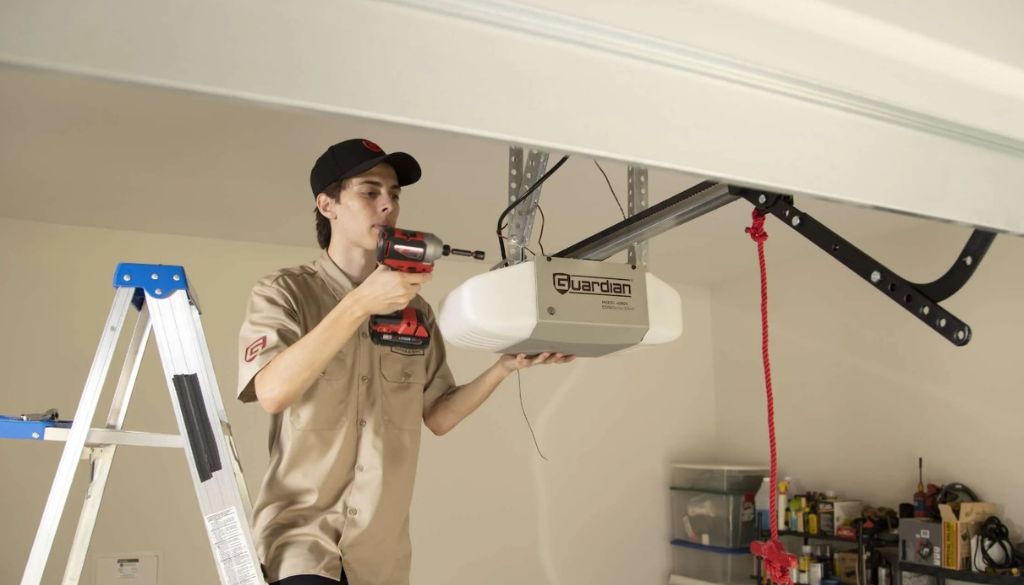
A practical maintenance review must cover the complying with points:
Inspect base, side, and leading seals for fracturing, flattening, or noticeable daylight. Check door equilibrium by hand with the opener separated, if it is risk-free to do so. Listen for changes in operation, particularly grinding, standing out, or rattling at panel joints. Confirm opener travel limits and auto-reverse settings after any type of solution work. Address moisture, slab settling, or mounting movement before they turn into reoccuring repair issues.
These checks can stop unnecessary residential garage door repair calls and can additionally catch troubles before they become larger expenses.
Matching the door to just how the garage is really used
Not every garage requires the exact same remedy. A storage-only separated garage in a warm region may not justify a costs shielded system. An affixed garage beneath living room almost always benefits from one. A garage workshop where individuals invest hours at a bench or where finishes, paints, or temperature-sensitive devices are kept might require a higher-performing door than the square footage suggests.
This is where straightforward decision-making issues. Some home owners overspend on attractive upgrades and underspend on insulation and sealing. Others concentrate so greatly on thermal specifications that they neglect usability, sound, and maintenance. The best result comes from stabilizing all of it: panel construction, fit, opener top quality, seal style, sturdiness, and appearance.
If the garage sees regular cycles, choose equipment and springtimes ranked for that usage. If the opening is exposed to weather, focus on durable lower sealing and corrosion-resistant parts. If the home has a finished room over, pay attention to noise, insulation, and track positioning. These are not attractive choices, however they are the ones that form convenience and running price for years.
Where homeowners frequently make the incorrect call
The most usual error is presuming that any type of protected door will certainly address energy issues by itself. It will certainly not. An additional regular mistake is changing panels or openers without attending to a sagging opening, a resolved slab, or tatty perimeter trim. When the structure is jeopardized, repairs can only do so much.
Price shopping without comparing specifications carefully likewise triggers problem. Two doors may look virtually similar in an image and differ considerably in insulation approach, steel density, seal high quality, hardware, and guarantee support. The reduced quote in some cases reflects a thinner item, lighter-duty tracks, or faster ways in weatherstripping and surface work.
A final mistake is holding off little repairs. A little daylight at one corner, a stiff base seal, or a door that no longer shuts evenly might seem small. In method, those are early indications that the installment is losing performance. Timely Garage door repair, whether for a home or an organization, shields both power performance and the larger investment.
Better effectiveness originates from a system, not a solitary upgrade
The best garage door setups treat the opening as component of the building envelope and the os at the exact same time. The door needs to insulate, seal, action efficiently, withstand weather condition, and hold modification over countless cycles. That is why the best modern-day concepts are not always flashy. They are typically the regimented selections: a well-insulated steel door, high quality perimeter sealing, exact spring sizing, a properly established Garage door opener, and an installer that appreciates fit as much as speed.
When those pieces come together, the distinction is immediate. The garage really feels less drafty. Adjacent areas support. The opener appears much less stretched. Dust and dampness breach decline. In several homes, it is among one of the most practical upgrades offered because it enhances convenience on a daily basis, not just on paper.
For property owners preparing garage door installation, and for residential property supervisors weighing domestic garage door repair or industrial garage door repair, power efficiency must be part of the conversation from the start. It is much easier and less costly to develop it in than to chase it later on through callbacks, seal substitutes, and avoidable Garage door spring replacement. A door that closes cleanly, seals tightly, and matches the building is not simply a far better door. It is a better-performing home or facility.