Most homeowners do not think about garage door springs up until one breaks. That is understandable. Springs sit over the door or along with the tracks, doing tough mechanical work silently and concealed. Yet they are just one of the most vital parts of the whole system. When a springtime damages or breaks, the door can become heavy, misaligned, noisy, or entirely unusable. In many cases, it can likewise become dangerous.
The brief solution is that garage door spring substitute is typically driven much less by age alone and a lot more by cycle life, door weight, day-to-day usage, climate, and just how well the remainder of the system is kept. In a regular home, typical springs commonly last someplace between 7 and 12 years. In a busy family, they can wear out rather. In a lower usage setting, they may last much longer. For industrial garage door repair, the timeline is typically much shorter due to the fact that the door just opens up and closes far more often.
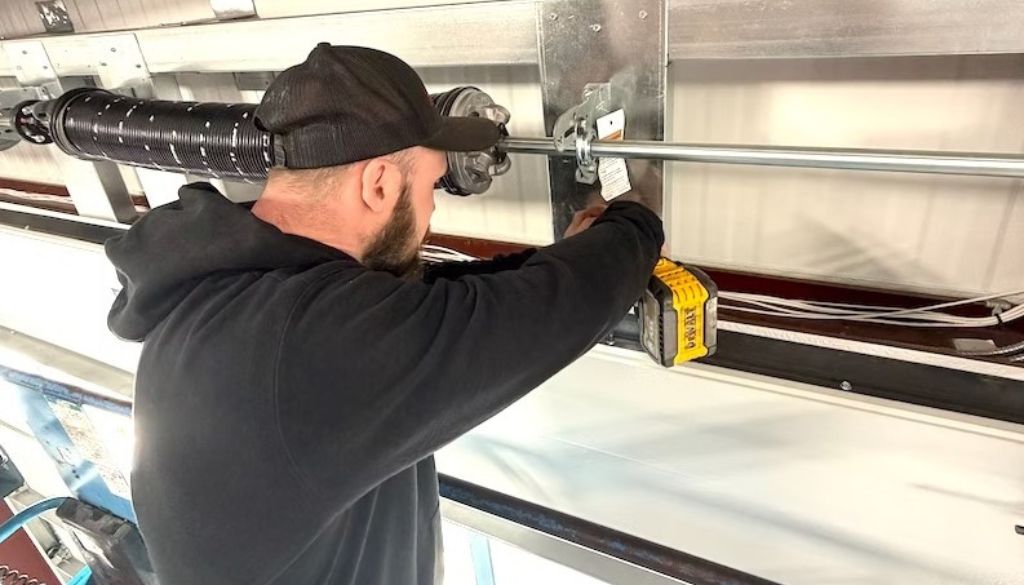
If you desire a beneficial general rule, strategy to begin thinking seriously concerning replacement around the seven year mark for a conventional domestic arrangement, and faster if your garage door is made use of as the primary entryway to the house. That does not imply every springtime requires to be replaced exactly on time. It means the wise step is to expect wear prior to you obtain stunned by an abrupt failure.
What garage door springs in fact do
A garage door spring does not just help the door step. It reverses the weight of the door so the opener and the person using the door do not birth that full lots. A double garage door can weigh a couple hundred extra pounds or more relying on product, insulation, and size. Springs store mechanical energy when the door shuts and launch it as the door opens.
That is why a garage door opener is not indicated to lift a dead weight on its own. The opener overviews and regulates the movement. The springtimes do the heavy training. When springtimes weaken, the opener pressures, the wires and rollers take extra stress, and the entire system wears out quicker. I have actually seen several service calls that started as "the opener is failing" when the actual problem was a pair of aging springtimes that had shed tension over time.
There are two typical spring types in residential garage door repair. Torsion springtimes place fix garage door opener above the door opening and twist on a shaft. Expansion springtimes extend along the straight tracks. Torsion systems are typically more resilient, smoother, and more secure when appropriately set up, which is one reason they prevail in newer garage door installment projects.
Why "exactly how typically" depends upon cycles, not just years
Spring life is generally ranked in cycles. One cycle is one full opening and one complete closing. Many basic domestic springs are ranked around 10,000 cycles, though greater cycle choices are readily available. If a house opens up the garage door four times a day, that is about 1,460 cycles annually. At that rate, a 10,000 cycle spring may last near seven years. If the household utilizes the garage as the key front door and runs the door 8 times a day, that same spring could be nearing the end of its life in regarding three to 4 years.
This is where homeowners typically get caught off guard. A garage door that sees frequent use can break long prior to it "looks old." A springtime is a tiredness element. Each open and close develops stress. Over thousands of repetitions, the metal slowly sheds resilience.
Commercial residential or commercial properties are a various group entirely. In commercial garage door repair, a door might cycle loads of times per day. Warehouses, service bays, filling areas, and vehicle parking frameworks can melt through common domestic quality expectations quickly. For those applications, higher cycle springs and more regular assessment routines are not a luxury. They are standard operating discipline.
Typical substitute timelines for real households
A silent family with a removed garage that opens only a couple of times a day may get near to a years or perhaps beyond from a good set of springtimes. A hectic family with teenager vehicle drivers, delivery website traffic, and a garage that functions as the main entrance may need garage door spring substitute in four to six years, often sooner.
Material issues too. A hefty shielded steel door places various demands on springs than a lighter solitary door. So does a timber carriage design door. I have actually seen stunning personalized wood doors that looked great from the street but called for thoroughly matched springtime systems as a result of the extra weight. If the springs were undersized, wear sped up quickly, and the garage door opener ended up overworked.
Here is a practical method to consider it:
Light usage, around 2 to 4 cycles a day, frequently lasts 7 to 12 years. Moderate usage, around 4 to 6 cycles a day, commonly lasts 5 to 8 years. Heavy property use, around 6 to 10 cycles a day, can bring substitute into the 3 to 6 year range. Commercial usage differs extensively, but numerous doors need routine spring interest far faster due to high day-to-day cycling.Those are not guarantees. They are intending ranges. The very same springtime can live a shorter or longer life relying on installation top quality, upkeep, environment, and whether the door is properly balanced.
The hints that inform you replacement is getting close
Springs rarely stop working without leaving tips. The trouble is that the hints are easy to miss out on if you are not looking for them. The earliest signs are often subtle. The door might feel somewhat much heavier when you disengage the opener. It may think twice near the floor. It might pound close a little faster than before or climb unevenly. You might listen to a lot more squeaking, popping, or a sharp metal breeze if a springtime lastly breaks.
A well balanced garage door should remain approximately in place if you separate the opener and raise it midway by hand. It must not race upwards or drop hard. If it does, springtime stress might be off, or the springs may be worn. That is among the most basic practical sign in property garage door repair, though it should be done carefully and just if the door can be safely controlled.
One information many individuals forget is the visible gap in a torsion spring after damage. A damaged torsion spring frequently leaves a clear splitting up in the coil. With extension springtimes, you might observe one side hanging in a different way or looking stretched out compared to the other.
Sometimes the opener starts grumbling prior to the springs do. If the garage door opener seems strained, relocates slower than typical, or reverses all of a sudden, the problem may not be electronic whatsoever. Weak springtimes require the opener to compensate. That extra initiative can shorten the life of equipments, motors, brackets, and hinges.
Replace one springtime or both?
When a two springtime system has one busted springtime, the far better technique is typically to replace both. Springs in a matched pair tend to age together. If one has stopped working from fatigue, the other is frequently stone's throw behind. Replacing just the broken spring can conserve cash in the minute, but it typically results in a 2nd service call the close to future.
There is likewise an equilibrium problem. New and old springtimes do not execute identically. A fresh spring coupled with a worn springtime can produce unequal training and additional tension on the shaft, bearings, cords, and opener. In the field, that discrepancy appears as jerky activity, extra sound, and early wear elsewhere in the system.
The very same concept often uses in industrial garage door repair, though the choice may depend on system layout, cycle ranking, and functional demands. In either setting, the objective is not just to get the door moving again. It is to bring back secure, balanced, predictable performance.
Why springtime replacement need to be planned, not simply reacted to
Many home owners deal with springtime failing as an inescapable surprise. It does not need to be that way. Planned substitute has genuine advantages. You can schedule service at a hassle-free time, avoid getting caught with an auto inside, reduce the possibility of opener damages, and pick updated high cycle springtimes if your current collection broke faster than expected.
A planned browse through also gives a specialist the chance to evaluate the entire door system. In great garage door repair method, springtimes are never ever a separated component. The problem of the drums, cable televisions, center bearing, end bearing plates, rollers, hinges, track alignment, and opener setups all affect spring efficiency. A door that is out of equilibrium or dragging in the tracks will put on springtimes much faster. So will certainly a door with poor roller movement or torn cables.
I bear in mind one property owner who maintained changing openers every couple of years due to the fact that each one eventually "stopped pulling." The genuine issue was a hefty shielded door with wrong spring sizing and bent track sections from an old impact. When the door was effectively well balanced and the track remedied, the next opener lasted normally. That kind of scenario is much more common than people think.
Seasonal climate and deterioration issue more than individuals expect
Climate plays a peaceful however essential duty in spring life. In damp or seaside areas, rust can weaken steel over time. In position with large temperature swings, winter can make minimal springtimes more probable to fall short since the steel comes to be much less flexible and lubricating substance thickens. It is common to find out about a spring splitting on a cold early morning after seeming great the night before.
Rust is not just cosmetic. Deterioration creates surface area roughness, and roughness boosts friction in between coils on torsion springtimes. That included friction can accelerate wear and trigger noisy operation. A little preventative maintenance can aid, however it can not turn around steel tiredness once the spring is near the end of its rated life.
If your garage is not environment regulated and the door obtains made use of heavily through all seasons, it makes sense to examine springtime condition extra very closely after 5 to seven years, even if no evident failure has occurred. The price of checking is small compared with the aggravation of a break at the worst feasible time.
Maintenance routines that can stretch springtime life
No maintenance routine can make springtimes last for life, but excellent treatment can aid them reach their desired lifespan and minimize pressure overall door system. The essentials are not made complex, but uniformity matters.
Listen to the door once a month. New grinding, popping, or straining audios are entitled to attention. Watch the door move. Jerky travel, uneven lifting, or a door that does not sit level can signal springtime or wire issues. Keep rollers, joints, and springtimes lightly lubed with an item intended for garage doors. Schedule routine service if the door obtains hefty usage or if it is older than 5 to 7 years. Test equilibrium carefully with the opener disengaged, however just if you can do it securely and the door is not currently revealing signs of failure.One care right here: lubrication helps in reducing friction and noise, but it does not "take care of" a worn spring. People often hear much less sound after lubing and think the issue is fixed. In reality, the springtime may still be nearing the end.
Does a new garage door transform the spring schedule?
Yes, since new garage door setup frequently transforms the weight and equilibrium characteristics of the system. If you update from an older non shielded door to a thicker shielded version, or switch from steel to timber, the initial springtimes may no longer be appropriate. Springs must match the real door weight and drum configuration. Also small inequalities can result in inadequate balance and shorter spring life.
This is likewise why springtime work ought to not be treated as a generic parts swap. The right spring is selected by more than door width. Height, weight, wire drum size, shaft setup, and needed cycle life all matter. A correctly sized springtime set can improve door feeling, minimize opener pressure, and cut down on repeat repairs.
When a brand-new door goes in, ask what cycle ranking the springtimes have and whether an updated choice is available. The price difference in between standard and high cycle springtimes is often practical compared to the labor cost of future replacement. For a household that makes use of the garage frequently, updating at the start can be cash well spent.
How the opener suits the picture
A garage door opener is usually criticized for issues that begin with springtime wear. That is not totally unjust, since opener signs are what lots of people see first. The remote stops working consistently. The electric motor seems loud. The security reverse ends up being irregular. The rail shakes greater than normal. Yet in a lot of cases, the opener is not the root issue.
Think of the opener as a supervisor, not a worker. It controls activity but should not be doing the real training. A well balanced door can generally be lifted manually with moderate initiative. If your opener is drawing hard daily due to the fact that weak springtimes are no more doing their share, the opener will certainly pay the price.
That is why a professional doing straightforward garage door repair checks balance prior to offering opener parts. It is additionally why springtime replacement and opener modification frequently go hand in hand. Once brand-new springs are set up, opener force setups and travel limitations might need fine tuning so the entire system works smoothly.
Safety is the major factor this work belongs to a pro
There are home jobs that award perseverance and mindful knowing. Garage door spring substitute is usually not one of them. Torsion springs are wound under considerable stress. A mistake with winding bars, established screws, or door safeguarding can cause serious injury. Expansion spring systems have their very own hazards, specifically if safety and security cords are missing out on or damaged.
This is not frighten talk. It is just a category of repair service where the stored power is enough to do actual harm. A knowledgeable service technician recognizes exactly how to protect the door, select the correct spring, established proper stress, check cable alignment, verify equilibrium, and examine relevant equipment before returning the door to service.
Professional residential garage door repair likewise helps you prevent a second issue, which is mounting the wrong springtime. A door might appear to help a while with a wrong spring, but the pressure shows up later on in the opener, cables, drums, and door sections.
When commercial doors require a various strategy
Commercial garage door repair deserves different therapy since the operating needs are so different. A rolling steel service door at a storehouse or an overhead sectional door at a vehicle shop can cycle even more in one month than a home door carries out in a year. In that atmosphere, waiting for apparent signs and symptoms is not a sound strategy.
A planned maintenance routine is the better method. High cycle springtimes, routine equilibrium checks, and documented examinations minimize downtime and assistance stay clear of safety events. If a business door is part of everyday operations, spring failure is not simply inconvenient. It can interrupt shipping, block lorry access, and develop liability worries if the opening is left unsecured.
For structure supervisors, the inquiry is much less "how usually ought to springs be changed" and extra "exactly how do we match the spring timetable to real use." If a door is goal crucial, springtime substitute need to be positive instead of reactive.
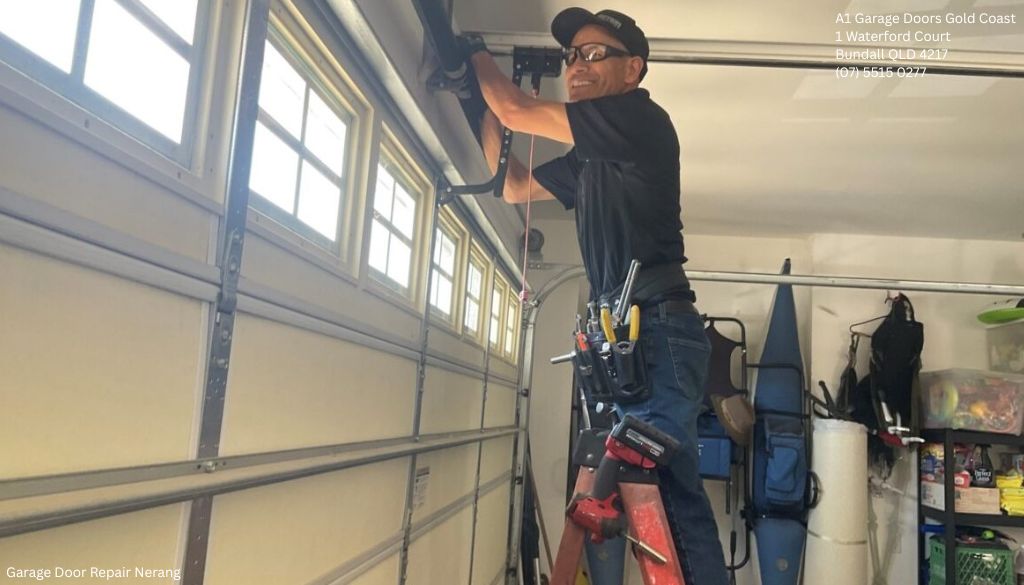
A useful preparation method for homeowners
If you have no concept exactly how old your springs are, begin with observation and a service check. Learn whether your system makes use of torsion or expansion springtimes, whether there is one spring or more, and whether the door is effectively balanced. Ask the service technician for the likely cycle score and whether the springtimes show up original to the door.
If your springtimes are past seven years of ages and the garage sees day-to-day usage, it is sensible to start budgeting for garage door spring replacement, also if the door still works. If your home depends on the garage as the major entrance, that budget plan must be a bit greater on the top priority listing than many people recognize. A stopped working springtime has a tendency to happen on a workday early morning, not when the timing is convenient.
Homeowners that are already arranging garage door installment, significant garage door repair, or a garage door opener replacement need to also ask whether the springtimes are still appropriate for the setup. Incorporating relevant job can save labor and stop a piecemeal repair work cycle.
The ideal timing is not a repaired schedule date. It is the factor where age, usage, and symptoms start to line up. For many homes, that minute shows up between year 5 and year eight. For heavy usage homes, it can come earlier. For gently made use of doors with well matched equipment, it can come later on. The objective is not to change springtimes ahead of time. It is to replace them before they stop working at full trouble and full risk.
A garage door can look simple from the driveway, but the spring system is doing sophisticated, demanding work every day. Pay attention to usage, listen to the door, and treat spring replacement as prepared upkeep as opposed to an emergency situation. That approach secures the opener, prolongs the life of the door system, and keeps one of the busiest entry points in your house working the way it should.