A garage door is simple to overlook when it functions and difficult to neglect when it does not. It is the largest moving part in the majority of homes, it gets utilized numerous times a day, and it carries a surprising quantity of weight. When something fails, property owners typically face the exact same questions at once: Is this unsafe? Is it expensive? Can I repair it myself, or ought to I call a professional?
After years of seeing the exact same failures repeat across various homes and homes, one thing stands apart. A lot of garage door problems begin as small issues. A little wobble in the track, a springtime shedding tension, rollers grinding louder than normal, an opener stressing momentarily longer than it utilized to. These early indicators are typically dismissed till the door stops midway, bangs closed, or traps a vehicle within right before work.
Garage door repair service does not require to really feel mysterious. If you recognize exactly how the system works, what tends to fail, and where the actual security risks are, you can make much better decisions and stay clear of turning a manageable repair service right into a full replacement.
The components that matter most
A garage door looks straightforward from the driveway, however it is truly a system of well balanced elements. The door itself may evaluate anywhere from around 100 pounds for a lighter single door to 300 extra pounds or even more for a larger shielded double door. What makes that weight convenient is the spring system. The springs do the hefty lifting. The opener does not lift the full weight of the door by itself, at least not when whatever is working properly.
That distinction issues. If a door all of a sudden feels impossibly hefty when you pull the emergency launch, the trouble is usually not the garage door opener. It is generally springtime failing or major springtime tiredness. Several house owners change an opener initially because it appears to be the part that has quit working, but the opener may merely have been overworked attempting to make up for a door that is no longer balanced.
Tracks direct the door, rollers move along the tracks, cable televisions collaborate with the springtimes to increase and lower the load, pivots allow sectional panels flex as the door takes a trip, and weather seals shut out water, dirt, and parasites. Every part influences the others. A bent track can put on rollers. Used rollers can stress hinges. Weak springtimes can reduce opener life. Garage door repair is seldom regarding one separated part forever. It is typically regarding finding the first failure prior to it spreads.
What generally fails first
In property garage door repair, the most usual trouble areas are springtimes, rollers, cords, sensing units, and openers. Springs break since they are palatable parts. The majority of common torsion springs are rated by cycles, and a cycle is one complete opening and closing of the door. If a house utilizes the garage as the primary entryway, the springtimes age quicker than many individuals expect.
Rollers can flatten, split, or just obtain noisy. Steel rollers frequently last a very long time, but if they are not maintained, they can end up being loud and harsh. Nylon rollers are quieter, though top quality varies. Cheap ones wear rapidly. Tracks can shift if the installing brackets loosen up or if a car bumps the structure hard enough to toss points out of alignment. Image eye sensors can stop working from effect, wiring concerns, or basic dust on the lens. Openers use down gradually, particularly if they have been lifting an unbalanced door.
Commercial garage door repair complies with many of the exact same concepts, yet the risks and use prices are often greater. A storage facility door or solution bay door may cycle dozens of times a day. Hardware is normally much heavier, springtimes are bigger, and downtime expenses a lot more. What a house owner can tolerate for a week, a business might require settled by noon.
The sound of trouble
Technicians commonly detect a garage door prior to they touch it, just by listening. A healthy and balanced door has a professional garage door repair services consistent mechanical audio. It ought to not shriek, bang, pop, babble, or drag. A sharp bang from the garage that sounds like a board breaking is a traditional indicator of a broken torsion springtime. I have listened to homeowners explain it as a gunfire, and that comparison is not exaggerated.
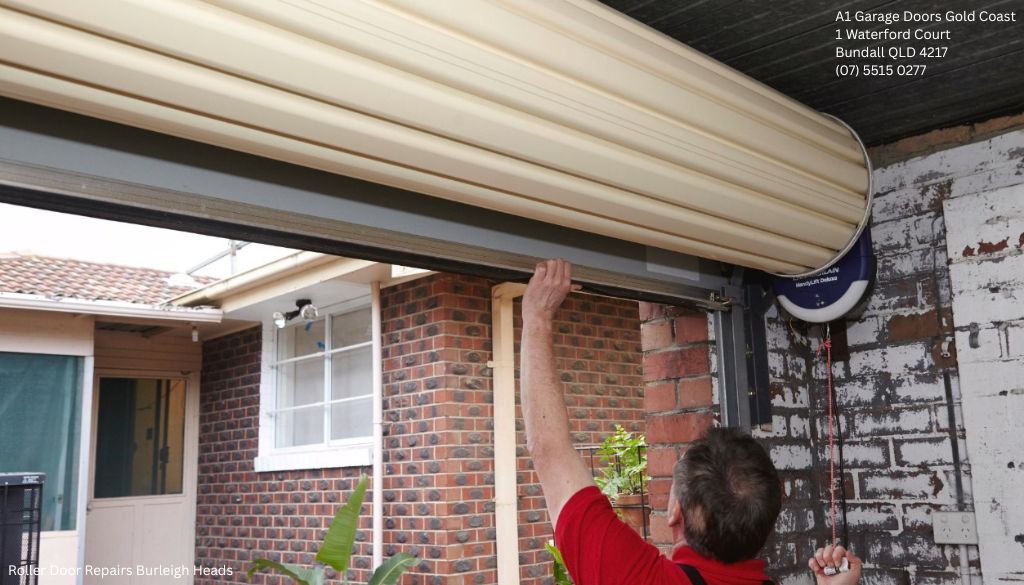
A grinding opener can imply worn interior equipments, especially on older chain-drive systems. Rhythmic thumping typically points to a harmed roller or a panel issue. A scuffing audio on one side suggests track imbalance or loose equipment. When a home owner claims, "It still opens, yet it sounds angry," that is usually the moment to arrange solution, not wait.
When a repair is safe to deal with and when it is not
There is a broad space between light upkeep and unsafe repair work. Cleaning picture eyes, tightening a few easily accessible screws, lubricating joints and rollers correctly, and checking remote batteries are sensible home owner tasks. Changing torsion springs, rewinding spring tension, dealing with lift cords under tons, or correcting structural track damages are not newbie jobs.
This is where several do it yourself attempts go sideways. People see a short video, acquire a part online, and ignore the saved energy in a spring system. Garage door spring substitute is one of one of the most unsafe repair work around the house since springtimes are designed to counterbalance thousands of pounds. If the incorrect bar slides, if the springtime is the incorrect size, or if stress is unevenly set, the outcome can be severe injury or a door that becomes risky to operate.
If the door is off track, visibly uneven, hanging by one cable television, or slamming closed, stop utilizing it. Separating the opener and compeling the door by hand can make damages worse and create a major hazard.
Warning signs you should not ignore
- The door really feels abnormally hefty when opened manually. One side rises quicker than the other, or the door looks crooked. The opener pressures, hums, or turns around without a clear obstruction. You hear an abrupt loud snap from the garage. Cables appear frayed, loose, or uneven.
Each of those symptoms points to a mechanical problem that can rise quickly. A hefty door recommends spring problem. Jagged travel commonly suggests cable or track issues. An opener that turns around may be doing specifically what it is supposed to do because the pressure settings discover resistance. Frayed cables need to never ever be treated as cosmetic wear. When they stop working, the door can go down or twist.
Why springtimes are entitled to special respect
If there is one subject every home owner must recognize, it is springtimes. Torsion springtimes are usually placed above the door opening on a shaft. Extension springs are much more typical on older systems and stretch along the horizontal tracks. Both store energy. Both wear. Both can be unsafe if mishandled.
Garage door spring replacement is not just about switching old steel for brand-new metal. The substitute spring needs to match the door's weight, elevation, drum size, and usage requirements. I have seen doors fitted with the incorrect springs after a budget plan repair service, and the results are predictable. The door may drift open, slam closed, stress the opener, or put on cords erratically. It may appear taken care of for a week and then create a bigger bill.
A good technician evaluates the door if needed, validates the spring specs, checks birthing plates and center assistance, examines cables and drums, and balances the door after setup. That last action matters. An effectively balanced door needs to hug mid-travel when separated from the opener, not fire upward or crash downward.
For homeowners evaluating price, it assists to assume long term. A more affordable standard spring may be fine for a low-use door. A high-cycle spring typically makes even more feeling for households that utilize the garage as the key entryway. Paying more as soon as can protect against repeat failure in a few years.
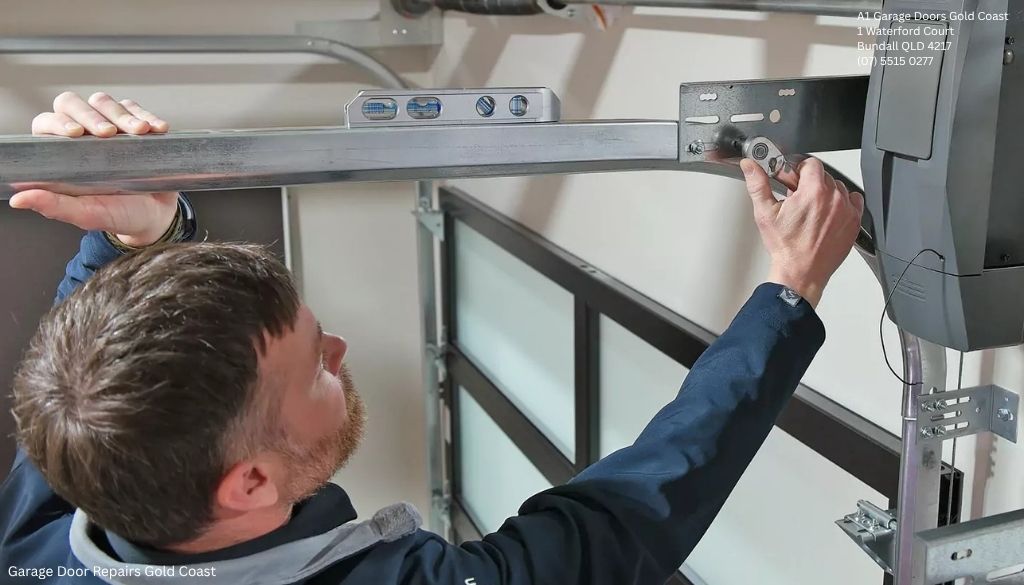
The opener is not always the culprit
The garage door opener obtains blamed frequently due to the fact that it is the visible device with the motor and the light. However an opener is only one part of the system. If the door itself is binding or out of balance, even a good opener will certainly struggle.
Modern openers include safety and security reverse systems, movement lights, rolling code remotes, and in many cases battery back-up and phone connection. Those work functions, however they do not solve a mechanical door problem. If a door jerks, sticks, or feels too heavy by hand, replacing the opener alone is not likely to fix the origin issue.
That said, openers do wear. Plastic drive gears can strip. Logic boards can stop working after power surges. Traveling limits can drift. Security sensors can shed placement. A house owner may notice that the wall surface switch works yet the remote does not, which can be a simple programming concern or a falling short receiver. If the motor hums but the door does stagnate, consider the detach, the trolley, or gear wear prior to thinking the whole system is dead.
When garage door installment includes a brand-new opener, the pairing ought to fit the door. Heavier shielded doors commonly benefit from a stronger motor, specifically if the door is large or utilized often. Belt-drive devices are quieter, which matters when a bedroom sits over the garage. Chain-drive versions are sturdy and commonly more economical. Jackshaft openers can be superb where ceiling room is restricted, though they call for the right door setup.
The hidden expense of delaying tiny repairs
A loosened joint hardly ever remains just a loose joint. The vibration transfers anxiety to nearby equipment. A disregarded roller can eat right into the track. A door that is somewhat out of balance can shed with an opener's inner parts. Water getting in through damaged bottom seal or perimeter weatherstripping can rot cut, tarnish piece edges, and motivate rust.
I when looked at a door that had actually been "a little loud" for nearly a year. By the time the homeowner called, the original problem, likely a worn roller and weak spring, had actually become a bent hinge, a torn cable television, a broken leading section, and an opener that had been drawing versus resistance for months. What could have been a moderate solution telephone call came to be a much larger repair.
That pattern prevails. Garage doors offer cautions. Homeowners are active. The door still opens up, so the trouble gets pushed down the list. After that it becomes urgent at the worst feasible time, generally in bad weather condition or when someone is trying to leave.
Repair or change, exactly how to judge honestly
Not every stopping working door ought to be repaired forever. Some should have replacement, particularly if the panels are terribly harmed, the door is years old, parts are obsolete, or the framework is endangered. Aesthetic dents alone are not constantly a factor to replace. Structural splits around joints, extreme rust, rotted wood areas, or repeated breakdowns are different.
Garage door installment makes good sense when repair work prices begin stacking up throughout numerous significant components. If the springs, rollers, cords, and opener are every age out with each other, replacement can deliver far better worth and fewer frustrations. New doors additionally improve insulation, sound control, visual charm, and security.
Still, replacement is not automatically the smart response. A high quality older door with good panels might just need springs, rollers, and an opener tune-up. That is why diagnosis matters greater than sales language. Property owners should ask what failed, why it fell short, and whether the continuing to be elements are still in strong shape.
For industrial garage door repair, the replace-or-repair decision usually boils down to downtime, safety and security compliance, and web traffic quantity. A distribution center can not pay for a bay door that falls short unexpectedly. In those setups, precautionary solution plans normally spend for themselves since preventing one solution disruption can validate the cost.
What a great solution browse through must include
A specialist repair service appointment ought to include greater than changing the evident busted part. Good specialists check balance, spring condition, cables, rollers, joints, track positioning, placing hardware, opener force setups, traveling restrictions, and security reversal function. They should also verify that the photo eyes are positioned correctly and that the emergency release runs as intended.
Homeowners gain from clear descriptions. If a service technician mentions a torn cable, ask whether it is an immediate danger or something to keep track of briefly. If a spring is damaged, ask whether the second spring is the same age and whether replacing both is a good idea. In numerous two-spring systems, changing both simultaneously is sensible due to the fact that the 2nd spring has usually seen the same variety of cycles and may fall short not long after the first.
The best solution calls really feel useful, not theatrical. You want exact diagnosis, great parts, proper modification, and reasonable support about what is immediate and what can wait.
Basic maintenance that expands the life of the system
A little upkeep avoids a lot of difficulty, and most of it does not take long. You do not require to end up being a technician. You simply need a brief regimen a few times a year.
- Listen during one full open and close cycle, and notice any kind of new noises or jerky movement. Wipe the image eye lenses and make certain each sensing unit deals with the various other cleanly. Lubricate joints, rollers, and springtimes with a garage-door-specific lubricating substance, not heavy grease. Look near the bottom seal and boundary weatherstripping for splits, gaps, or hardening. Test door balance with the opener disconnected, but just if the door is operating generally and safely.
That last point is worthy of care. If the door already looks crooked, slams, or has actually a presumed springtime problem, do not explore hands-on testing. Call for solution. A balanced door must relocate efficiently and not drift significantly. If it does, that serves info for a technician.
One upkeep error I see typically is over-lubrication. Way too much product draws in grit, which produces a lot more put on. One more is making use of the wrong lubricant. Thick all-purpose oil can mess up relocating components and accumulate dust. An item intended for garage doors is worth using.
Residential and commercial needs are not identical
Residential garage door repair is commonly about benefit, safety and security, insulation, and sound. Families care about entering and out dependably, keeping the garage dry, and not waking an infant when the opener runs at 6 a.m. Business garage door repair has a tendency to focus on uptime, safety, rate, and toughness under hefty cycle counts.
The parts might look similar from a distance, however commercial systems usually require stricter solution routines. Springs are larger, hardware is larger, and the consequences of hold-up are sharper. If a property owner can wait till tomorrow, a service might not be able to wait up until the following hour.
That difference likewise influences installation selections. A property owner may select a door design based partially on visual charm and insulation. An industrial property manager may focus on effect resistance, cycle ranking, accessibility control, and repairability.
Choosing a service provider without obtaining burned
This is one market where the least expensive advertised number can become the most costly last invoice. Homeowners should search for clear communication, created quotes, and a determination to clarify parts and alternatives without stress. Beware of obscure "specials" that do not define what is included. A very low spring substitute quote might entail undersized springs, no balance check, or no guarantee worth having.
Experience matters, but so does procedure. A reliable firm should ask concerns about signs, not just send off blindly. They ought to inspect the complete system, talk about whether garage door installation or repair work is the much better fit, and leave the door operating safely prior to they go.
If a service technician recommends major job, ask to see the wear. Excellent business normally welcome that. A split springtime, torn cable, or used gear is not hard to show. You do not need a lecture in mechanics. You need enough transparency to make a sound decision.
A practical method to consider garage door problems
Most garage door issues fall into among 3 categories: wear, misalignment, or electrical mistakes. Wear consists of springs, rollers, cables, joints, and seals aging out. Imbalance covers tracks, sensing unit positioning, and door balance problems. Electrical mistakes involve openers, remotes, wall surface controls, circuitry, and logic boards.
That structure assists homeowners define what they are seeing. If the door is noisy and irregular, believe wear or placement. If the door is smooth by hand yet less competent to controls, assume electric. If it is heavy, assume springs initially. If it reverses at the floor, assume sensors, traveling restrictions, or an obstruction.
You do not need to diagnose every part specifically. You just require to observe well. When did the trouble begin? Does it happen each time or in cold weather? Does the opener light flash? Is the problem worse on one side? Those details conserve time and frequently decrease guesswork.
The easiest regulation that prevents the most awful outcomes
If the trouble entails spring tension, wires, or a door that is no more traveling equally, quit using it up until it is examined. That regulation avoids a large share of significant injuries and pricey additional damage.
For everything else, stay consistent with light upkeep, pay attention to small adjustments, and do not presume the opener is constantly to blame. Garage door repair becomes much easier when you see the door as a well balanced mechanical system as opposed to a single device with an electric motor attached.
A garage door should open efficiently, close securely, and do its job without dramatization. When it stops doing that, the best action is seldom panic and rarely forget. It is a measured evaluation, a practical contact repair versus replacement, and a concentrate on safety and security where security really matters. That strategy offers home owners well whether they require a simple tune-up, a new garage door opener, full property garage door repair, or a more intricate garage door installation.