A business garage door rarely gets much attention up until it stops relocating. Then whatever around it begins to decrease. Deliveries back up, professionals wait on the lot, forklifts still, employees improvisate, and safety takes a hit. For numerous businesses, that door is not just part of the building envelope. It is a working asset, connected directly to labor performance, inventory circulation, customer service, and risk management.
That is why commercial garage door repair is worthy of a various level of attention than the ordinary service phone call. Business owners that treat above doors as mission-critical tools often tend to invest less gradually, face less emergency shutdowns, and avoid the type of tiny failings that become expensive disturbances. The essentials are not made complex, yet they do call for judgment. A packing dock door that cycles 30 times a day uses in different ways than a stockroom bay made use of once each early morning. A fire-rated rolling steel door presents different obligations than a sectional service door in a small contractor shop. The right repair work strategy depends on usage, atmosphere, age, and exactly how costly downtime is for your operation.
What makes business doors different
People sometimes assume garage door repair is essentially the same whether the door is on a suburban home or a freight warehouse. It is not. Residential garage door repair usually deals with lighter doors, reduced cycle matters, and simpler usage patterns. Commercial systems are larger, more specialized, and typically incorporated into wider operational and safety systems.
In a service setup, you may be taking care of protected sectional doors, high-speed material doors, light weight aluminum full-view doors, rolling sheet doors, sturdy steel doors, or dock-level access systems. Each brings its very own equipment, safety tools, and use patterns. A door at a busy car solution center might open every few mins throughout the day. A storage space center might depend upon consistent opener logic and access control. A food distribution site may need tight sealing for temperature level management and parasite control. That suggests repair work can not be come close to as one-size-fits-all maintenance.
There is also the concern of repercussion. If a household door sticks midway open, the home owner is aggravated. If an industrial door stops working open overnight, tools, fleet cars, or high-value supply may be subjected. If it stops working closed at the incorrect time, outbound deliveries might miss out on pick-up home windows, and labor costs start climbing quickly. One of the clearest distinctions between household and business work is that the repair service expense is usually smaller than the business interruption cost.
The most usual industrial garage door failures
After sufficient time around service bays and stockrooms, certain patterns turn up time and again. The equipment might vary, but failures typically begin in acquainted places: springtimes, tracks, rollers, joints, wires, bottom seals, image eyes, and openers.
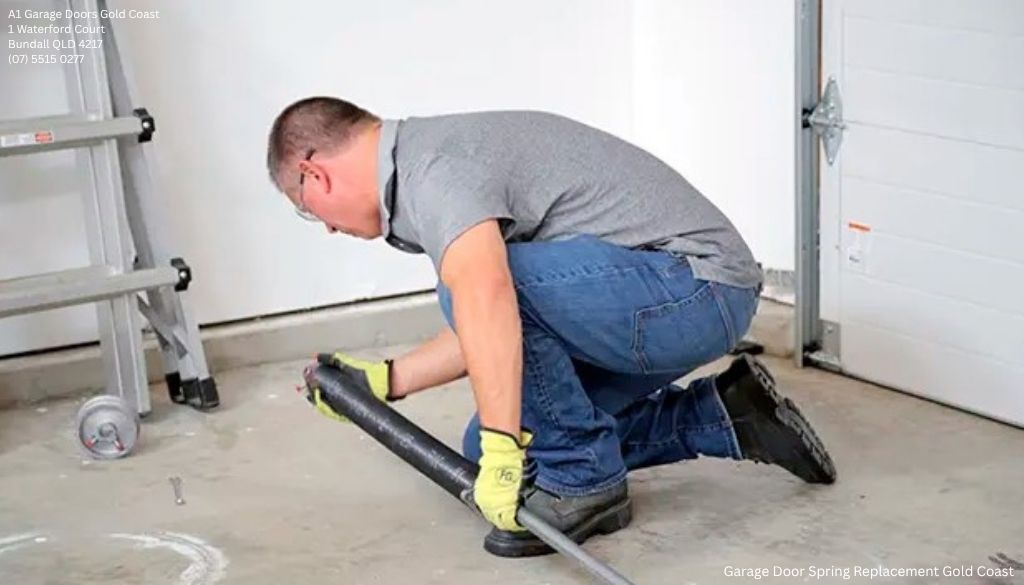
Springs are a major one. On a high-cycle business door, spring exhaustion is inescapable. Every opening and closing cycle eats right into the rated life. When tension diminishes, the door comes to be harder to raise, the opener pressures, and positioning issues start showing up somewhere else. A true Garage door spring replacement is not aesthetic maintenance. It is a load-balance improvement that protects the operator, cords, and door areas from additional damage.
Tracks take abuse as well. Forklift contact, vehicle vibration, and periodic effects from hurried motorists can flex upright or straight track sections simply enough to throw the door out of smooth traveling. It might still run, yet it will sound harsh, drag at one side, or stop periodically. Those are the kinds of concerns that obtain overlooked because the door still practically works, right up till a roller leaps track or a panel buckles.
Commercial door wires and drums likewise should have focus. Fraying cables hardly ever enhance with time. Once the cable television hairs start to divide, substitute must move rapidly from "soon" to "now," specifically on larger doors. A snapped lift wire can go down one side of the door abruptly, harmful panels, equipment, and sometimes the flooring or the vehicle underneath it.
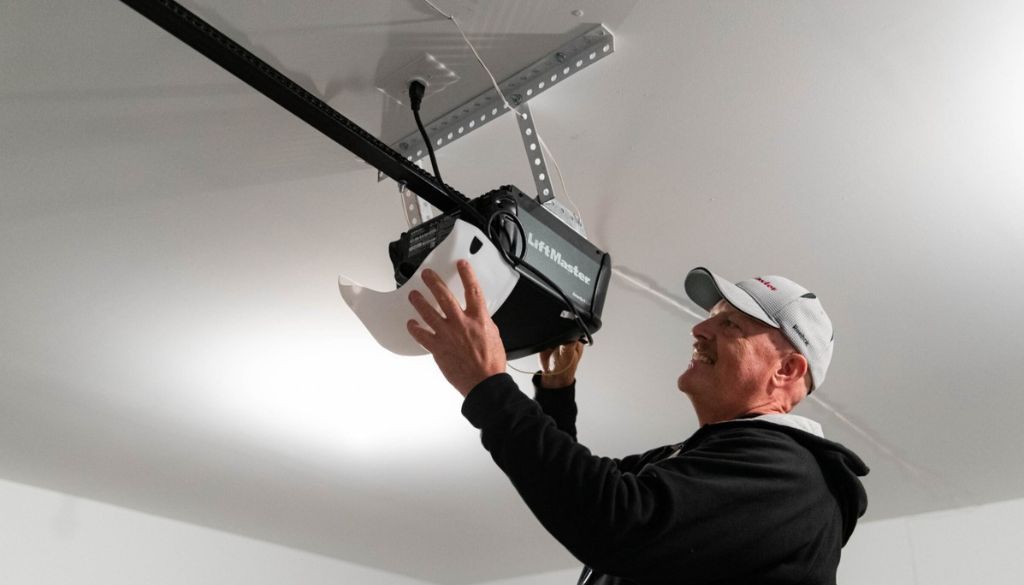
Then there is the garage door opener. In business structures, that term can undersell the devices. Some operators are ceiling-mounted trolley systems, but many are jackshaft or hoist-style units created for larger doors and frequent use. When the opener starts hesitating, reversing unpredictably, getting too hot, or stopping working to hold shows, the issue may hinge on the motor, control board, limit settings, safety and security sides, or the door equilibrium itself. A shocking number of opener complaints begin with a door that is mechanically out of equilibrium. Changing the driver without correcting the source typically wastes money.
Why emergency situation calls usually begin months earlier
Most true emergencies have a lengthy backstory. A manager listened to the chain rattling for weeks. A person observed the lower seal was torn and daylight revealed through the limit. One side of the door began closing slightly faster than the various other. The opener required a 2nd switch press once in a while. None of these signs required instant shutdown, so they were tolerated.
That is typical in hectic offices. People work around tiny problems. But overhead doors tend to fall short considerably, not pleasantly. The door reveals difficulty early, then chooses a poor moment to fully stop. Friday at 5:10 p.m. Is a typical time. So is the very first distribution home window of a cold Monday morning.
One upkeep manager I knew utilized to say a noisy industrial door resembles a bearing with an opinion. It is informing you precisely where the next invoice is originating from. He was normally appropriate. The grinding roller, extended springtime, or loose brace that sounds small throughout a slow-moving week comes to be a solution interruption when business volume spikes.
Repair or replacement, the genuine decision
Business proprietors typically ask the wrong first concern. They ask, "Can this be fixed?" The better inquiry is, "What offers us the very best integrity over the following three to 5 years?"
Most commercial garage door repair is beneficial when the door areas are still structurally audio, the track geometry is recoverable, and replacement components continue to be readily offered. Springs, cable televisions, rollers, hinges, seals, sensing units, and many opener issues are regular fixings. If the frame is turned, several panels are crushed, rust is advanced, or the door no longer fits existing functional requirements, repair service might just postpone a bigger expense.
Garage door installment ends up being the much better choice when a business has actually outgrown the initial system. That happens more often than owners expect. A building that began as light storage might later support day-to-day freight activity. A manual or lightly ranked operator may not fit the cycle count anymore. Insulation values, wind-load needs, protection demands, and access control expectations may additionally have changed.
The economics are not constantly noticeable in the beginning glimpse. A repair service expense of a couple of thousand dollars can look less expensive than a brand-new door, but if the fixed system still has reoccuring downtime, air leakage, inadequate protection, and out-of-date parts, it might be the more expensive course. On the various other hand, replacing an essentially audio door due to one damaged springtime is a blunder. The best answer originates from assessing remaining service life, not simply comparing this month's invoice totals.
What good diagnosis looks like
A solid service check out begins with monitoring, not with a components cannon. A technician ought to take a look at door equilibrium, springtime problem, cable wear, roller movement, track placement, panel stability, bolt tightness, opener setups, and safety and security device function. On dock or warehouse doors, they ought to also note influence damages, weatherseal efficiency, and signs of misuse.
The ideal professionals ask operational questions. The amount of cycles per day? Is the door exposed to wind? Do forklifts pass through frequently? Has the structure cleared up? Has anything changed recently in website traffic patterns or loading practices? These concerns issue since they explain why the same repair service keeps repeating.
If your provider jumps directly to advising a brand-new opener without discussing spring balance, or estimates panel replacement without gauging track plumb and header problem, that is a red flag. Business systems are interdependent. One worn component usually exhausts three others.
The repair products that conserve the most money
Not every repair work provides the very same worth. Some have an outsized effect on uptime and running price. In method, one of the most cost-efficient repair work are normally the ones that bring back balance, minimize rubbing, and avoid security damage.
- Spring replacement when cycle life is near the end Cable substitute at the initial indication of fraying or flattening Roller and hinge replacement when wear creates drag or chatter Track improvement after even small car impact Opener change just after mechanical problems are resolved
Those five locations are where service calls usually spend for themselves. A well balanced door reduces opener stress. Smooth rollers minimize noise and wear. Fixed tracks prevent panel damages. Changed cables avoid unsafe failures. None of this is extravagant, yet it is exactly how you maintain a door opening every early morning without drama.
The hidden price of delaying Garage door spring replacement
If there is one repair group that obtains delayed frequently, it is springs. Proprietors see the door still relocating and figure the springtimes can wait. The problem is that springs establish just how much pressure the opener and equipment should take in. A weak springtime moves the problem to the driver, brackets, shafts, and wires. The whole system starts compensating.
On a commercial door, that compensation can be costly. Operators overheat. Mounting equipment loosens. Doors slam closed harder than intended. Restriction setups wander due to the fact that the load has actually transformed. Technologies get called out for opener trouble when the real wrongdoer is fatigue in the counterbalance system. By the time the springs finally break, the repair range is frequently larger than it required to be.
There is additionally a safety aspect. Commercial torsion springtimes hold substantial stored power. Garage door spring replacement is not a laid-back upkeep task for in-house personnel unless they are correctly educated and geared up for that precise work. Even skilled maintenance teams often contract out spring service for good reason. The danger is not theoretical.
Garage door opener issues that are not truly opener issues
Owners typically concentrate on the motor because it is one of the most noticeable moving get rid of a control box affixed. But several "negative opener" problems originate from the door itself. When a door binds in the track, gets heavier from spring fatigue, or loses positioning, the garage door opener starts acting unpredictably. It may reverse mid-travel, hum without lifting, journey overload security, or burn via components faster than expected.
Environmental conditions play a role too. Dirt, wetness, harsh air, and vibration can all impact business operators. Facilities near the coastline or in industrial setups may see control deterioration sooner. Cold-weather operations might manage slow-moving seals, stiff grease, or frozen bottom sides. A door that works penalty in April can begin breaking down in January since tiny mechanical issues come to be bigger under seasonal stress.
When an operator truly goes to the end of its life, substitute should fit the real door and cycle count. This is where some companies underspend and regret it. A lightly ranked operator on a heavy-use opening rarely conserves cash. Southport garage door services Matching the garage door opener to the door weight, task cycle, and control requires issues more than cutting a little off the acquisition price.
Why precautionary solution beats emergency repair
An industrial overhanging door does not need constant interest, yet it does require regular evaluation. Organizations that arrange precautionary service generally invest much less each year than organizations that only call after failures. The reason is simple. Planned maintenance occurs during regulated conditions. Emergency fixing takes place when pressure is high, gain access to is tough, and downtime is currently costing money.
A functional upkeep visit typically consists of lubrication with the appropriate items, springtime and cable television assessment, screw firm, track and roller review, opener testing, security gadget verification, and observation of door equilibrium. It is not concerning over-servicing the equipment. It is about catching wear at the affordable stage.
For most organizations, the best service interval depends upon usage. A low-cycle storage structure could do well with yearly examination. An active fleet or logistics procedure might need semiannual or quarterly attention. If the door is opened up dozens of times a day, that is not a "wait up until it screeches" asset.
Questions worth asking before employing a fixing company
Choosing a business provider is not nearly that can show up initially. Rapid reaction issues, but so do medical diagnosis top quality, parts access, and understanding of service downtime. The right company should be comfortable clarifying whether a repair work is momentary stabilization, complete adjustment, or an indicator that garage door installment is becoming the smarter long-term move.
Here are a few inquiries that tend to divide reliable carriers from compatible ones:
- Do they regularly manage commercial garage door repair, not simply property work Can they discuss the root cause, not just the failed part Do they stock or resource commercial-grade springtimes, cable televisions, rollers, and driver parts Will they test and document security attributes after repairs Can they discuss expected remaining life after the repair work is completed
That initial factor matters. A company focused primarily on household garage door repair may be excellent in its lane, but industrial systems call for various experience, different parts, and different urgency. You want professionals who comprehend web traffic patterns, downtime expenses, and the functional truth of a functioning facility.
When installation resolves what fixing cannot
Sometimes fixing is not losing, it is simply no more enough. If your building deals with energy loss, safety spaces, duplicated influence damage, or sluggish door speed that develops website traffic bottlenecks, a far better door system might change daily procedures in a quantifiable way. Insulated sectional doors can enhance temperature stability. High-speed doors can lower conditioned air loss and cut delay times. Much heavier bottom bars, better seals, and strengthened tracks can stand up far better to tough use.
This is where garage door installation should be deemed an operational investment rather than a pure facilities cost. A warehouse manager when described a brand-new high-cycle door to me as "buying back 10 mins every shift." That seemed exaggerated up until you enjoyed how typically individuals had actually been waiting on the old system. Small hold-ups compound.
Installation additionally gives you a chance to remedy old design compromises. Possibly the original opening needs better sightlines, stronger wind resistance, updated access controls, or a better operator layout. Changing like for like is often fine. Often, though, it is worth rethinking the whole opening based on how business actually functions today.
A reasonable approach for proprietors and center managers
Commercial door choices seldom need drama. They need consistency. Focus on appear modifications, traveling rate, equilibrium, and noticeable wear. Do not await "still functioning" to become "stuck open." Deal with spring wear, cord battle royal, and track influence as top priority issues, since they rarely remain separated. Ask your provider to clarify failing causes in ordinary terms and to separate urgent repair services from enhancements that can be scheduled.
If you operate numerous doors, keep documents. Note service days, springtime replacements, opener problems, influence events, and cycle-heavy openings. Patterns arise promptly when you create them down. One troublesome bay may need an use modification, not an additional spot. One aging operator may be revealing an equilibrium problem upstream. Excellent records make those calls easier.
The services that manage this well do not consume over their doors. They simply respect them as tools. That mindset alters the whole maintenance photo. Commercial garage door repair becomes much less about reacting to rotten luck and more about protecting uptime, security, and foreseeable costs.
A working overhead door needs to be practically unnoticeable. It must open when needed, close firmly, seal properly, and stay out of the means of business. When it does that, no one talks about it. That is the goal. Peaceful reliability is not interesting, but also for a lot of business owners, it is specifically what maintains the day moving.